Pokémon card value: how much are my Pokémon cards worth?
Found a stack of cards in the loft, or an old binder you are leafing through again? Most cards are worth a few pence, a few are worth a lot more. You can tell the difference in a few minutes once you know where to look.
Updated By the GemHunt editors7 questions answered


Short answerLook the card up by name, set code and card number (for example 125/165) on Cardmarket, Europe's largest card marketplace, or in eBay's sold listings. Look at prices for cards in the same condition and the same language, not at the highest asking price. Common cards with a circle or diamond are usually worth pennies; cards with gold stars, old holos and 1st Edition cards can be worth a lot more.
What do you look at on a Pokémon card?
Every card tells you itself which set it comes from and how rare it is. That is not in the picture but in the small print at the bottom. With these five spots you can find it in any price list afterwards.
- Name. The Pokémon's name, with ex, V or VMAX after it if it is a stronger variant.
- Illustration. Does the artwork run over the edge? Then it is often an illustration rare: usually worth more.
- Set symbol and code. Bottom left: the set's symbol and a code such as MEG or SVI. That tells you which set the card comes from.
- Card number. For example 125/165. A number above the set total (180/165) is a secret rare.
- Rarity. The symbol next to the number: circle, diamond, star. The more stars, the rarer.
How do you find the value, step by step?
- 1Take the card number and set code. At the bottom left it says, for example, "MEG 125/165". Older cards only show a set symbol; then search for the name plus the number.
- 2Look it up on Cardmarket or eBay. Type in the name of the Pokémon and choose the right set. Careful: the same Pokémon often exists in ten versions, and only the number matches exactly.
- 3Filter by language and condition. English or Japanese makes a big difference, and Near Mint is not the same as Played. Compare like with like.
- 4Look at the trend, not the peak. The trend price, the 30-day average and eBay's sold listings show what cards really change hands for. The highest asking price is what someone hopes for.
- 5Judge the condition honestly. Hold the card under a lamp and look at the corners, the edges and scratches in the holo. If in doubt, assume one condition lower.
Which rarity is worth the most?
The symbol next to the card number is the quickest first sort. This is the order in the current sets, from a handful per pack to a few per booster box.
- CommonThe circle. Most of every pack.Value: pennies
- UncommonThe diamond. Also common, slightly rarer.Value: pennies
- RareOne black star. Often holo.Value: low
- Double RareTwo black stars, usually an ex card.Value: low to medium
- Ultra RareTwo silver stars: full art of a Pokémon or Trainer.Value: medium
- Illustration RareOne gold star. Artwork across the whole card.Value: medium to high
- Special Illustration RareTwo gold stars. The cards everyone is chasing.Value: high
- Hyper RareThree gold stars, the gold cards.Value: medium to high
A high rarity is no guarantee. A Special Illustration Rare of an unknown Pokémon can fetch less than a common Charizard holo. The popularity of the Pokémon itself counts just as much.
How much difference does condition make?
| Condition | What you see | Effect on the price |
|---|---|---|
| Mint / Near Mint | Crisp, sharp corners, no scratches | Full price |
| Excellent | A white spot on one corner or edge | Slightly lower |
| Good / Light Played | Visible wear on the edges, light scratches | Clearly lower |
| Played / Poor | Crease, bend, stain or a damaged corner | A fraction of the full price |
Are old Pokémon cards from 1999 worth more?
Often yes, but not all of them. The cards from Wizards of the Coast, the first English publisher, are in the most demand. Look for three things. A 1st Edition stamp: a small black circle with a 1 to the left of the image. Shadowless: on the very first print of the Base Set, the shadow to the right of the image is missing. And of course holo: the shiny image.
A Base Set Charizard in good condition remains the best-known card of all. If you have one, put it straight into a sleeve and a rigid toploader, and look up the price before you do anything else.
When is grading worth it?
Grading means a company such as PSA, CGC or Beckett assesses your card, gives it a grade up to 10 and seals it in a hard case. For a card that is already worth a lot, a high grade can make a big difference. For a card worth a few pounds, it costs more than it brings. Look on eBay or Cardmarket for sold graded copies of your card: then you can see straight away whether it pays.
What about the value of unopened products?
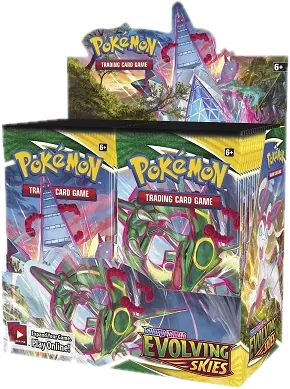
A sealed booster box or Elite Trainer Box is a different story from a single card: there is no condition risk for the cards themselves, and once a set sells out, the box becomes scarcer. That is why collectors look for boxes of sets such as Evolving Skies and 151. All the sealed booster boxes at GemHunt are on the Pokémon booster boxes page.
Look up the card number, compare in the same language and the same condition, and go by the trend price. Circles and diamonds are pennies; gold stars, popular Pokémon and old 1st Edition cards are where the money is.
Frequently asked questions
How do I find out what my Pokémon cards are worth?
Look the card up on Cardmarket or in eBay's sold listings using the name, the set code and the card number at the bottom left. Only compare with listings in the same language and the same condition, and look at the trend price and at what has actually sold recently. The lowest and the highest asking price both tell you little.
Which Pokémon cards are worth the most?
Cards with the highest rarity (Special Illustration Rare, two gold stars), popular Pokémon such as Charizard, Pikachu, Umbreon and Gengar, and old cards from 1999 to 2003 in good condition. A 1st Edition stamp or a Shadowless Base Set card often makes an old card worth considerably more.
Are my old Pokémon cards from childhood worth anything?
Sometimes a lot. Wizards of the Coast cards (1999 to 2003) with a holo image, a 1st Edition stamp to the left of the image or no shadow to the right of the frame (Shadowless) are sought after. But condition weighs heavily: a played card with creases fetches a fraction of the same card in good condition.
What do the circle, diamond and star symbols mean?
That is the rarity, at the bottom right next to the card number. A circle is Common, a diamond Uncommon and a star Rare. In the new sets, silver and gold stars mark the rarest cards: two gold stars are a Special Illustration Rare, three gold stars a Hyper Rare.
Should I get my Pokémon card graded?
Only if the card is close to perfect and is already clearly worth more ungraded than the cost of grading and postage. With PSA, CGC or Beckett the card gets a grade up to 10 in a sealed case. A 10 can raise the value considerably, a 7 often does not.
Are Japanese Pokémon cards worth less than English ones?
Usually yes, because more of them are printed and they are less in demand in Europe. There are exceptions: some Japanese promos and cards that only came out in Japan are worth even more. So always compare with listings in the same language.
Where is the best place to sell Pokémon cards?
Single valuable cards sell best where the most buyers look: eBay in the UK, Cardmarket across Europe. A shop or a dealer at a card fair pays less, but you are rid of them straight away. Sell common cards as a bundle; listing them one by one costs more in postage than they bring in.
Read more
- Understanding productsJapanese vs English Pokémon cards: what is the difference?Japanese Pokémon cards: usually 5 per pack and 30 packs per box (High Class sets 10 x 10), out months earlier and not tournament-legal outside Japan.
- Buying safelyFake Pokémon booster box: how to spot one in 7 checksHow to check for yourself whether a Pokémon booster box is genuine: shrink wrap, seams, print, weight and price. Including the trap of resealed boxes.
- New setsPokémon 30th Anniversary: the timeline and the 2026 celebrationPokémon turns 30: from Red and Green in 1996 to the 30th Celebration anniversary set. The timeline, what is out in 2026 and which product suits you.